

- laura bates
- 0 Comments
Verruca Myths Debunked: What You Really Need To Know
Myth 1: "Verrucas Have Roots That Need To Be Dug Out"
Myth 2: "Verrucas Mean Poor Hygiene"
Myth 3: "Verrucas Only Affect Children"
Because verrucas are so often associated with children, it’s easy to assume they’re only a childhood issue.
The truth: Adults get verrucas too – and when they do, they’re often more stubborn. Children’s immune systems are still developing, but they are actively fighting the virus. In adults, verrucas are more likely to linger, sometimes persisting for months or even years without treatment.
We regularly see patients in their 30s, 40s, and 50s at our Plymouth clinic who have been managing a verruca for a long time, assuming it would clear up on its own.
Myth 4: "Verruca Socks Are The Best Way To Protect Other People When Swimming"
Many people buy verruca socks believing they’re doing the right thing to stop the virus from spreading at the pool.
The truth: Specialist verruca socks aren’t recommended by clinicians. The virus spreads most readily on the pool deck and in changing areas, not in the water itself. A verruca sock in the water doesn’t meaningfully reduce risk.
The far more effective approach is simple: wear flip-flops in changing areas, and cover the verruca with a waterproof plaster.
Myth 5: "You Can Only Catch A Verruca At The Swimming Pool"
Myth 6: "Natural Remedies Like Apple Cider Vinegar Or Tea Tree Oil Will Cure A Verruca"
Spend five minutes on any parenting forum and you’ll find someone swearing by apple cider vinegar, tea tree oil, banana peel, or garlic. It can be tempting to try, especially if the pharmacy options feel overwhelming.
The truth: There is no clinical evidence that any of these remedies cures verrucas. Most apparent “successes” come down to the verruca resolving naturally on its own – which happens anyway, regardless of what’s being applied. According to Sheffield Children’s NHS, around 50% of verrucas in children clear within six months without any treatment.
More concerning is the harm some of these remedies can cause. Apple cider vinegar is acidic enough to burn healthy surrounding skin. Tea tree oil causes allergic reactions in some people. If the verruca is on a pressure point like the heel or ball of the foot, skin damage in that area is the last thing you want.
Myth 7: "Once You Have a Verruca, You're Stuck With It"
What Actually Works?
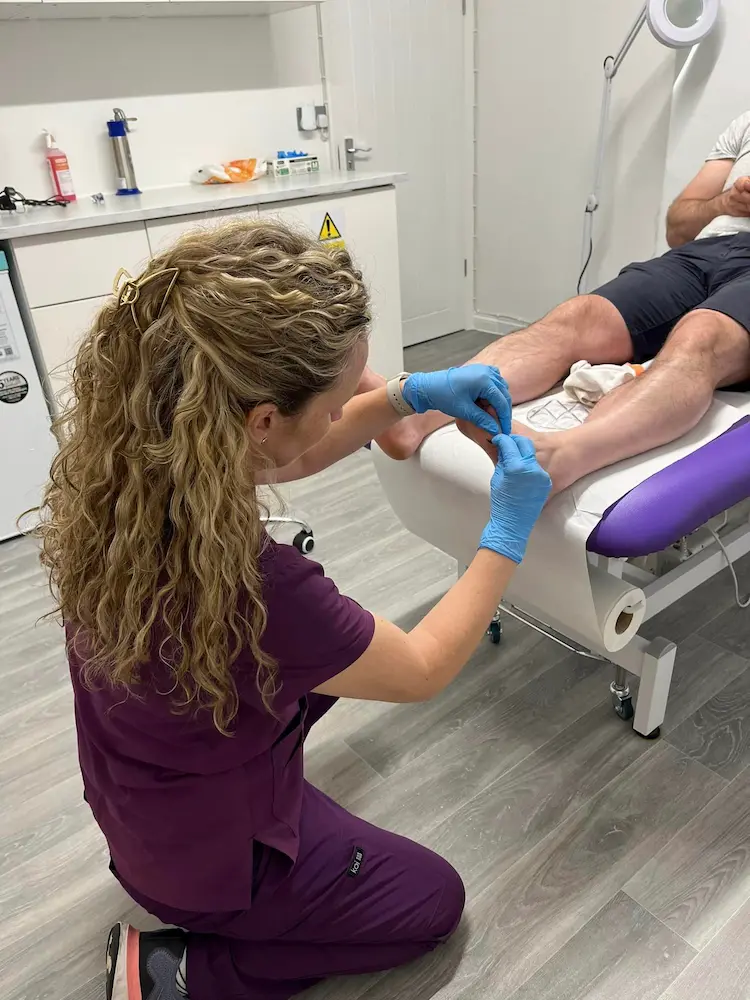
Now that we’ve cleared the air, here’s the honest picture:- Professional cryotherapy is the most effective treatment available for verrucas. It’s what we offer at our Plymouth cryotherapy clinic, and it works by destroying the infected tissue with liquid nitrogen and triggering the immune system to clear the virus. Most patients need 1 – 3 sessions, starting from £50, with a free initial consultation
- Salicylic acid is worth trying for small, early verrucas – but requires daily application for up to six months and doesn’t work for everyone. Protect the surrounding skin carefully and stop if it becomes sore
- Watchful waiting is a legitimate option if the verruca isn’t painful. In children, especially, the immune system often clears it on its own – though this can take months
When Should You Seek Treatment For A Verruca?
- It’s painful when walking or standing – especially if it’s on a pressure point like the heel or ball of the foot
- It’s spreading or multiplying – new verrucas appearing nearby is a sign the virus is active
- It hasn’t improved after a few months, particularly if you’ve already tried pharmacy treatments without success
- You’re unsure what it is – verrucas can sometimes be mistaken for corns or calluses
- You have diabetes or a weakened immune system – a professional assessment is important to avoid complications
Frequently Asked Questions About Verruca Myths & Facts
Q. Can a verruca spread to other parts of my own foot?
A. Picking, scratching, or filing a verruca without care can transfer the HPV virus to surrounding skin. This is called autoinoculation. Always use a disposable emery board on the area and discard it – never use the same one elsewhere on your foot.
Q. Is it true verrucas can spread from surfaces even when no one with one is around?
A. Patient Info (clinical) notes that the virus “can survive outside the body for a significant length of time, probably months or even years.” This is why wearing flip-flops in communal areas is good practice even when you can’t see anyone else with a verruca.
Q. Is it true that some people are naturally immune to verrucas?
A. Broadly, yes. It is possible to develop immunity to certain strains of HPV over time, which is one reason verrucas are more common in children than in adults – many adults have already built natural resistance through previous exposure. However, this immunity is not guaranteed, and people can remain susceptible to other strains.
Q. Can a verruca be confused with something else?
A. Yes, more often than people realise. Verrucas can look similar to corns and calluses. The key difference is that corns and calluses preserve the natural skin lines of the foot, while a verruca disrupts them and has a slightly lumpy surface. The black dots are also a distinguishing feature, though not all verrucas display them. If you’re unsure, always get a professional opinion before starting any treatment.
Book Your Free Verruca Consultation In Plymouth
Whether you’ve had your verruca for weeks or years, our team is here to give you honest, evidence-based advice in a calm, friendly, private setting right here in Plymouth.
Book your appointment today by calling us at 07557360885, or email us at Laura@precisionht.co.uk for more information.
